

TMJ Specialist in Las Vegas: Treatment and Relief
Experience jaw pain relief through targeted care with Dr. Josephine Stanton, a dedicated TMJ specialist in Las Vegas. If you're searching for effective solutions, you've come to the right place.
Understanding TMJ Disorders & How They Affect More Than Your Jaw
The temporomandibular joint, or TMJ, refers to the hinge connecting your lower jaw to your skull, just in front of each ear. When the disc that cushions this joint shifts out of position, when surrounding muscles become imbalanced, or when movement is restricted, pain signals radiate beyond the jaw. They can affect the cervical spine, temples, and even the ear canal, causing symptoms that initially seem unrelated.
Chronic TMJ disorders are often overlooked causes of tension headaches, neck-origin headaches, and persistent upper trapezius tightness. Misdiagnosis is common because facial tightness isn't usually the first suspect for headaches or neck discomfort, making it essential to work with a qualified TMJ specialist in Las Vegas. Whether you're in Green Valley, central Las Vegas, or near Summerlin, the right treatment offers a direct path to lasting pain relief.
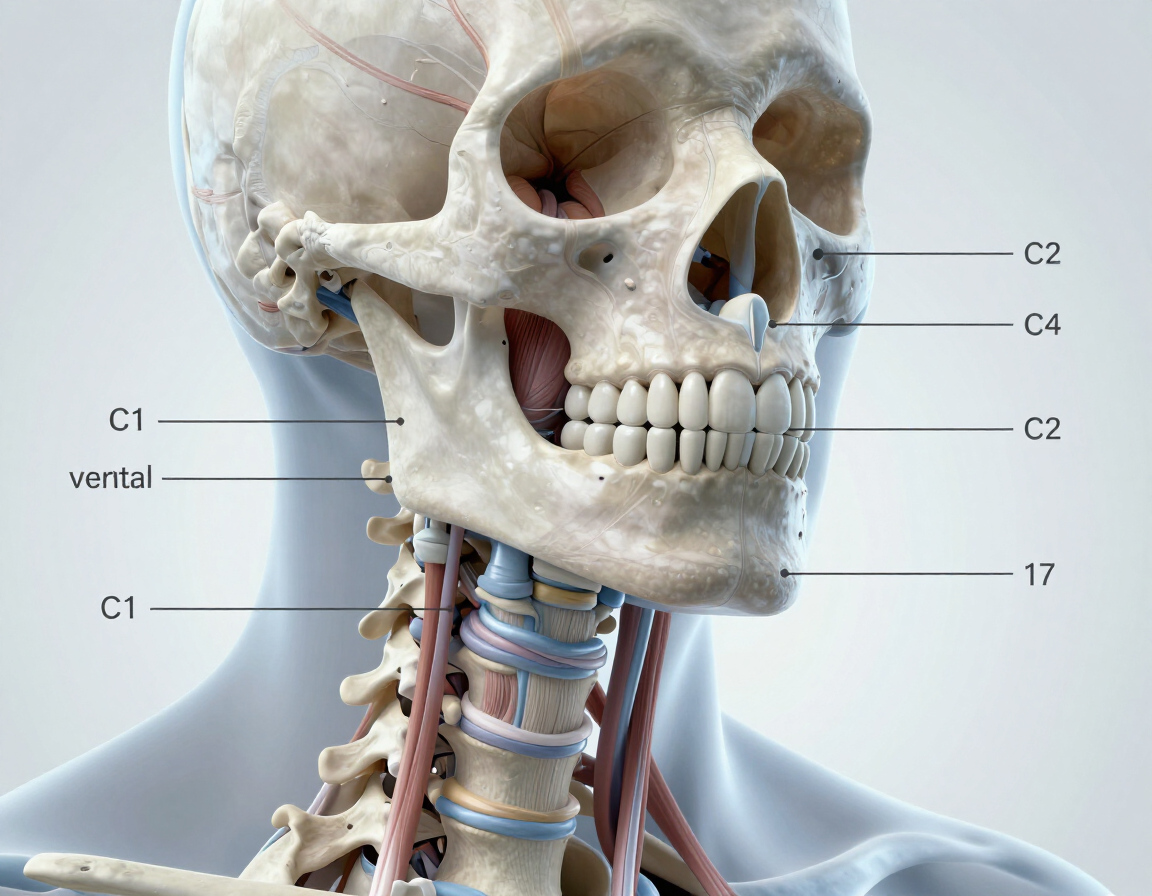
Symptoms of TMJ & Disorder Types
TMJ disorders are classified by the type of tissue involved and the degree of functional impairment. Accurate classification is crucial for effective treatment—tailored options depend on what's happening inside the joint and surrounding muscles. A qualified specialist will identify your disorder type to ensure comprehensive care.
- Myofascial TMD: This disorder involves the muscles that control jaw function, often leading to jaw pain and headaches.
- Disc Displacement: A condition where the disc in the joint moves out of its normal position, causing clicking sounds and jaw locking.
- Degenerative Joint Disease: This refers to the wear and tear of the jaw joint, leading to stiffness and chronic pain.
- Hypermobility Disorder: Characterized by excessive movement in the jaw joint, leading to instability and facial ache.
| Disorder Type | Primary Symptoms | Severity Level | Treatment Relevance |
|---|---|---|---|
| Myofascial TMD | Jaw pain, facial tension, referred headache, tender masticatory muscles | Mild to Moderate | Dry Needling, Chiropractic |
| Disc Displacement | Clicking or popping on opening, limited jaw range of motion, locking episodes | Moderate | Chiropractic, Shockwave, Combined |
| Degenerative Joint Disease | Morning stiffness, crepitus (grinding sounds), progressive joint pain, reduced opening | Moderate to Severe | Shockwave, Combined |
| Hypermobility Disorder | Joint instability, subluxation on wide opening, diffuse facial ache | Mild to Moderate | Chiropractic, Dry Needling |
Treatment Options for TMJ & Multi-Modal Care
Finding the right TMJ specialist in Las Vegas means finding someone who treats the whole picture, not just the symptom. Dr. Stanton's approach at The Wellness Project is built on evidence-informed, multi-modal care—each plan is matched to your specific disorder classification and adjusted as your condition responds.
No two cases are identical. That's why treatment here draws from a combination of targeted modalities rather than defaulting to a single method.
Chiropractic Adjustments & Jaw Alignment
Chiropractic mobilization specific to the TMJ restores joint movement, reduces disc compression, and addresses the cervical-facial pain cycle. These adjustments help normalize muscle tension and ensure symmetric facial movement to relieve jaw pain.
Intramuscular Dry Needling
Dry needling targets active trigger points in the masseter, pterygoid, and temporalis muscles—key drivers of jaw clenching and referred pain. By releasing these points, dry needling reduces tension and restores normal jaw mechanics.
Acoustic Shockwave Therapy
Shockwave therapy stimulates cellular repair in cases of disc degeneration or muscle fibrosis. By promoting collagen remodeling and reducing pain sensitivity, it addresses chronic dysfunction that manual therapy alone may not resolve.
What the Research Says
When it comes to relieving jaw pain and restoring normal mouth movement, combining targeted, hands-on therapies with modern conservative care can make a massive difference for TMD/TMJ sufferers:
- Dry Needling for Muscle Release: Targeted dry needling into tight jaw muscles (like the masseter and temporalis) releases painful muscle knots, calms down active trigger points, and helps patients open their mouths wider with less pain.
- Chiropractic & Manual Care: Combining gentle jaw movement, soft tissue release, and upper neck alignments helps restore proper joint mechanics, reduces tension, and delivers long-term relief when simple jaw rest isn't enough.
- Shockwave Therapy (ESWT): Using sound waves to stimulate healing in injured jaw tissues offers a non-invasive way to break up chronic stiffness, reduce deep inflammation, and provide fast pain relief.
Supporting Research Studies
On Chiropractic Care:
Chu et al. (2023) documented clinical success using targeted manual adjustments, soft tissue release, and mandibular mobilization to resolve jaw pain and restore proper alignment. (Published in Cureus)
On Dry Needling:
Vier et al. (2019) reviewed multiple clinical trials and found that dry needling directly into the chewing muscles significantly reduces myofascial jaw pain and improves overall mouth opening capabilities. (Published in Brazilian Journal of Physical Therapy)
On Shockwave Therapy:
Song et al. (2024) showed that low-intensity shockwave therapy provides rapid pain reduction and speeds up functional recovery for patients dealing with muscular jaw disorders. (Published in Journal of Oral Rehabilitation)
What Triggers TMJ Flare-Ups?
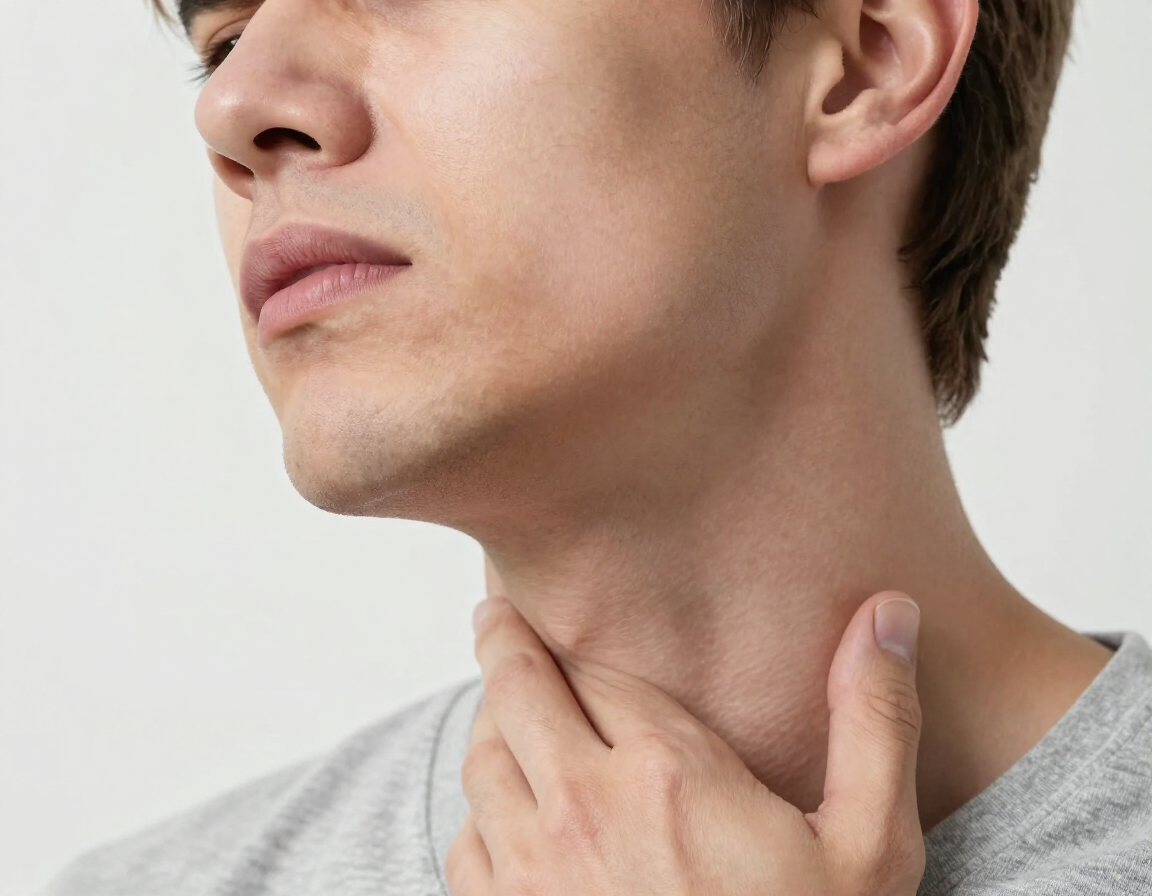
TMJ pain may seem random, but specific mechanical and behavioral triggers often increase joint load and muscle tension:
- Teeth Grinding (Bruxism) refers to the habitual grinding of teeth, often during sleep, which can exacerbate TMJ disorders.
- Clenching and Grinding
- Chronic Pain & Stress
- Forward Head Posture
- Misaligned Bite or Dental Changes
- Sleep Position
How We Assess & Diagnose: Our Treatment Approach
Dr. Stanton uses a structured 4-step assessment to identify the root cause of each patient's jaw dysfunction before any treatment begins — ensuring that the care plan is precise, not presumptive.
Step 1 — Comprehensive History & Symptom Mapping
Dr. Stanton reviews onset, symptom pattern, sleep habits, dental history, and stress levels to map the full picture of each patient's jaw complaint. Understanding what makes symptoms better or worse is as important as the symptoms themselves.
Step 2 — Postural & Cervical Spine Screening
A standing postural assessment identifies forward head posture and cervical restrictions that may be contributing to or amplifying TMJ symptoms. The neck and jaw are mechanically linked — screening both is essential.
Step 3 — Joint Mobility & Muscle Palpation
Manual assessment of jaw opening range, lateral deviation, disc click and pop reproduction, and trigger point identification in the masseter, temporalis, and pterygoid muscles reveals where restriction, overactivation, or joint instability exists.
Step 4 — Clinical Diagnosis & Personalized Care Plan
Findings are synthesized into a clear diagnosis and a personalized multi-modal treatment plan — including which modalities (chiropractic, dry needling, shockwave) will be applied and in what sequence to achieve the best outcome for your specific presentation.
Treating TMJ Disorders: Frequently Asked Questions
Review common questions about treating TMJ disorders at The Wellness Project before scheduling your initial assessment with Dr. Stanton.
Can a chiropractor actually provide treatment for TMJ?
Yes—chiropractic care addresses both the cervical spine and the joint directly. Dr. Stanton uses TMJ-specific techniques to restore movement and resolve neck contributions to TMJ pain.
How does dry needling help with difficulty chewing and facial pain?
Dry needling releases trigger points in the masseter, temporalis, and pterygoid muscles, reducing muscle tension and relieving pain.
What is the typical treatment timeline to see results?
Mild-to-moderate cases often improve within 4–6 sessions. Chronic cases may require 8–12 sessions. Dr. Stanton will outline a treatment plan at your initial assessment.
Is TMJ treatment painful?
Treatment is designed to be well-tolerated. Chiropractic adjustments are gentle, dry needling may cause a brief twitch response, and shockwave therapy is mild to moderate in sensation.
When are conservative treatments not enough, and are oral surgeons needed?
Most find relief through conservative treatments, but severe cases may require referral to oral and maxillofacial specialists.
Does insurance cover TMJ chiropractic treatment in Las Vegas, NV?
Many plans cover chiropractic care, including TMJ treatment. Verify benefits with your insurer before your visit.
Schedule an Appointment to Relieve Jaw Pain in Las Vegas
Ready to take control of your oral health? Visit Dr. Josephine Stanton, a trusted TMJ specialist in Las Vegas, and start your journey to lasting relief.
Key Tmj Specialist Las Vegas Takeaways
- Myofascial TMD: This disorder involves the muscles that control jaw function, often leading to jaw pain and headaches.
- Disc Displacement: A condition where the disc in the joint moves out of its normal position, causing clicking sounds and jaw locking.
- Degenerative Joint Disease: This refers to the wear and tear of the jaw joint, leading to stiffness and chronic pain.
- Hypermobility Disorder: Characterized by excessive movement in the jaw joint, leading to instability and facial ache.
- Teeth Grinding (Bruxism) refers to the habitual grinding of teeth, often during sleep, which can exacerbate TMJ disorders.