

Back Pain Relief in Las Vegas
Back pain in Las Vegas is common — and too often managed with short-term solutions that don't address what's actually driving it. Whether you're dealing with acute flare-ups, chronic lumbar pain, or discogenic symptoms, Dr. Josephine Stanton at The Wellness Project uses a multi-modal approach — chiropractic adjustments, dry needling, and shockwave therapy — to target the root cause, not just the symptom. Las Vegas patients deserve lasting relief, not temporary fixes.
Understanding What's Causing Your Back Pain
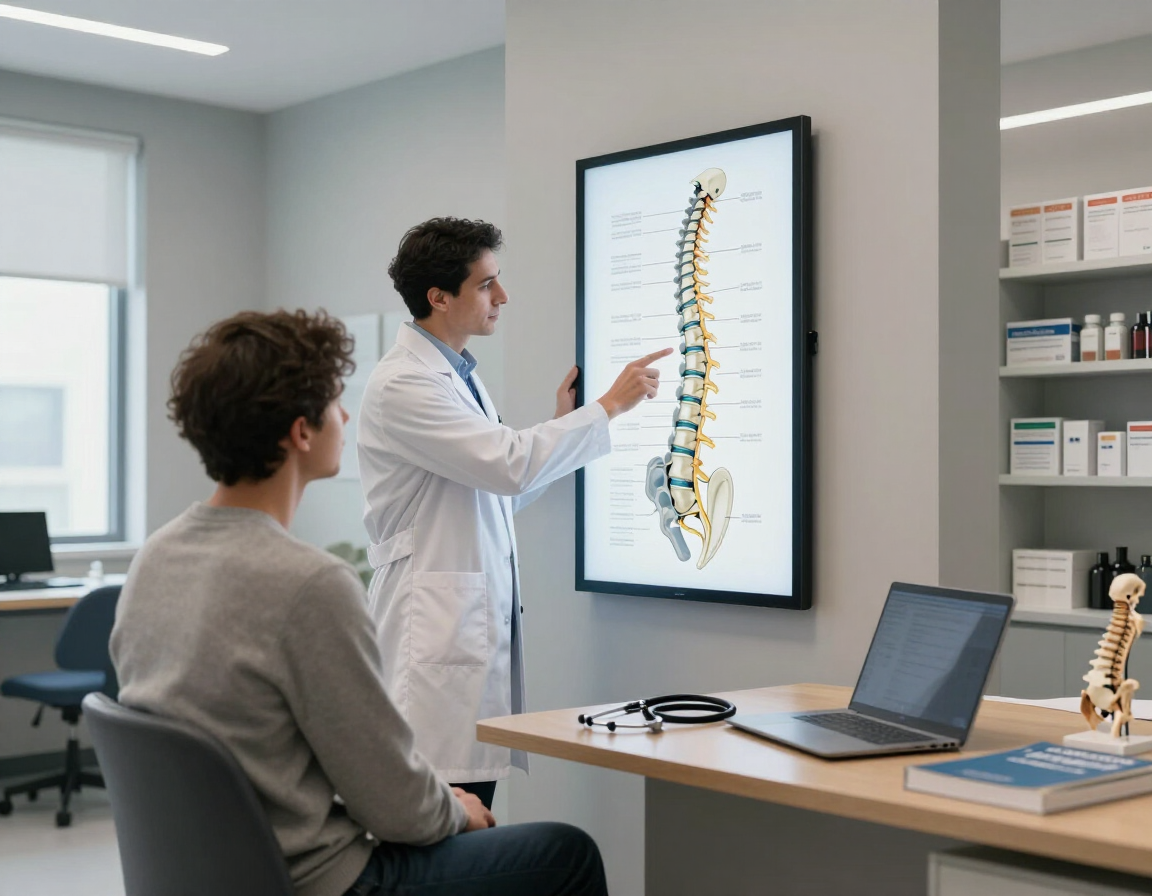
The lumbar spine bears the majority of the body's compressive load, with intervertebral discs acting as shock absorbers between each vertebral segment. When discs, facet joints, or the surrounding musculature become compromised — through injury, repetitive stress, or postural dysfunction — they generate pain signals that can range from localized aching to sharp, radiating discomfort. Understanding which structure is involved is essential to choosing the right intervention.
Common pathological causes include disc herniation, spinal stenosis, sacroiliac joint dysfunction, paraspinal muscle imbalances, and degenerative disc disease. Many Las Vegas residents develop back pain from sedentary work patterns — long hours at desks, in vehicles, or in front of screens — combined with repetitive postural loading that gradually overwhelms the spine's adaptive capacity. Identifying the underlying driver, rather than simply managing pain, is the foundation of care at The Wellness Project.
Which Type of Back Pain Do You Have?
Back pain presents differently depending on its origin — identifying the type is the first step toward the right treatment plan for your specific condition.
| Acute Back Pain | Chronic Back Pain | Discogenic Back Pain | Postural Back Pain |
|---|---|---|---|
| Sudden onset, typically under 6 weeks | Persists beyond 3 months; may be constant or cyclical | Can be acute or chronic depending on disc pathology | Gradual onset tied to sustained positions |
| Muscle strain, ligament sprain, minor joint injury | Unresolved acute injury, degenerative changes, repeated overload | Disc herniation, disc degeneration, annular tears | Prolonged sitting, forward head posture, muscle imbalances |
| Sharp, localized pain; limited range of motion; muscle guarding | Persistent dull ache; fatigue; disrupted sleep; mood impact | Pain with flexion; leg symptoms (sciatica); sharp with coughing | Dull midback or lumbar ache; worsens late in the day |
| Sudden movement, bending, lifting, extended sitting | Stress, inactivity, poor sleep, prolonged static postures | Forward bending, prolonged sitting, sneezing or coughing | Screen use, sedentary work, unsupportive seating |
| Manual therapy, soft-tissue work, guided rehab | Multi-modal care: chiropractic, dry needling, shockwave | Decompression-focused adjustments, dry needling, shockwave | Postural correction, joint mobilization, strengthening |
The Wellness Project's Multi-Modal Back Pain System
Rather than relying on a single technique, Dr. Stanton combines three complementary modalities to address back pain from multiple angles — joint mechanics, soft tissue, and tissue regeneration — so every contributing factor is treated simultaneously.
Chiropractic Adjustments
Spinal manipulation helps joints in the lower back move properly again. This eases nerve irritation and stops muscle tension that causes back pain. Targeted adjustments fix misalignments in the spine that change how weight is carried and cause chronic pain. Dr. Stanton uses precise force to correct joint function, allowing nearby tissues and nerves to heal.
Dry Needling
Using fine needles, intramuscular stimulation targets tight spots in the back, glutes, and hip muscles. These spots often worsen back pain long after an injury. Dry needling turns off these tight spots, easing pain, helping muscles stretch, and letting joints move freely. It's especially helpful for long-term back pain where muscles stay tense on their own.
Shockwave Therapy
High-energy sound waves go deep into the tissue, helping new cells grow and forming new blood vessels. This process is needed for real tissue healing. For back pain, shockwave therapy is great for breaking down old scar tissue and calcium buildup that doesn't respond to regular therapy. It speeds up healing by turning a long-lasting problem into an active healing process.
Everyday Habits That Make Back Pain Worse
For many Las Vegas residents, back pain isn't caused by a single dramatic injury — it accumulates from daily habits and postural patterns that place sustained, compressive load on the lumbar spine over time. Recognizing your triggers is the first step toward breaking the cycle.
Sedentary and Occupational Triggers
- Prolonged sitting — desk work, driving, gaming — compresses lumbar discs and shortens hip flexors
- Forward head posture from extended screen use shifts the center of gravity and overloads the thoracolumbar fascia
- Repetitive bending or lifting without proper bracing creates cumulative disc micro-trauma
- Standing on hard surfaces for extended shifts (casino floors, kitchens, retail) fatigues paraspinal support structures
- Sleeping on an unsupportive mattress removes the nighttime recovery window for lumbar muscle and disc hydration
Lifestyle and Systemic Triggers
- Deconditioning and core weakness reduce the muscular support available to the lumbar spine under load
- Excess body weight increases compressive force through lumbar segments with each step
- A high-stress lifestyle chronically elevates muscular tension, particularly in the paraspinals and psoas
- Footwear lacking arch support alters lower-limb biomechanics and transfers load asymmetrically into the pelvis and lumbar spine
- Previous unresolved injuries create compensatory movement patterns that silently overload adjacent structures
What to Expect at Your Back Pain Exam
The intake process at The Wellness Project is thorough, unhurried, and specifically designed to identify the actual source of your pain — not just treat the surface symptoms that brought you in. New patients leave their first visit with a clear picture of what's driving their condition and what to expect from care.
01
Comprehensive Health History
Dr. Stanton reviews your full symptom timeline, prior injuries, imaging results, and lifestyle factors to understand the complete picture before any hands-on assessment begins. Nothing is rushed — context is everything in back pain diagnosis.
02
Postural & Movement Analysis
A standing postural screen and functional movement assessment identifies compensatory patterns, range-of-motion deficits, and loading asymmetries that contribute to your back pain. This provides the biomechanical map guiding every treatment decision.
03
Orthopedic & Neurological Testing
Targeted orthopedic tests — including SLR, Kemp's, and Patrick's FABER — combined with basic neurological screens help classify the pain source as disc, joint, nerve, or muscle. This precision ensures treatment is directed exactly where it's needed.
04
Personalized Treatment Plan
Based on exam findings, Dr. Stanton presents a clear, modality-specific care plan with realistic timelines, visit frequency, and measurable progress markers. You leave knowing exactly what the plan is and why it was chosen.
Back Pain Questions — Answered
These are the most common questions Dr. Stanton hears from new back pain patients here in Las Vegas — answered plainly and without jargon.
How many visits will it take to feel better?
Most acute back pain presentations respond within 4 to 6 visits when addressed early and treated appropriately. Chronic or discogenic cases typically require 8 to 12 visits with a multi-modal approach that addresses both the primary driver and contributing factors. Dr. Stanton establishes clear, measurable progress milestones at the initial exam so you always know how care is tracking.Is chiropractic care safe if I have a herniated disc?
Yes — gentle, instrument-assisted adjustments and targeted soft-tissue techniques are routinely used for disc presentations at The Wellness Project. Aggressive high-velocity manipulation is not applied to active disc herniations. A thorough orthopedic and neurological exam at your first visit ensures any contraindications are identified before treatment begins, and the approach is always calibrated to your specific presentation.What's the difference between dry needling and acupuncture for back pain?
Dry needling targets myofascial trigger points using Western anatomical and neurophysiological principles — needle placement is guided by palpation of dysfunctional muscle tissue and nerve referral patterns. Acupuncture follows Traditional Chinese Medicine meridian theory, with needle placement guided by energetic pathways rather than musculoskeletal anatomy. Both techniques use thin monofilament needles, but the clinical rationale, needle placement strategy, and treatment goals differ significantly.When should back pain be considered a medical emergency?
Seek immediate emergency care if you experience loss of bladder or bowel control, bilateral leg weakness, progressive numbness in the saddle area (inner thighs and groin), or severe back pain following a high-impact trauma such as a fall or accident. These are red-flag symptoms indicating potential spinal cord or cauda equina involvement. The Wellness Project addresses musculoskeletal back pain — if any of these symptoms are present, please go to your nearest emergency department.Can I still exercise with back pain?
In most cases, yes — but the right answer depends on the severity and classification of your condition. Dr. Stanton provides specific movement guidance at your initial intake appointment. The majority of patients are encouraged to remain active with modified loading patterns, because deconditioning typically makes back pain worse over time. Complete rest is rarely recommended for non-traumatic back pain, and the care plan at The Wellness Project is designed to keep you moving safely throughout your recovery.
Ready to Get Your Back Pain Under Control in Las Vegas?
The Wellness Project is located at 8275 South Eastern Avenue, Suite 267, Las Vegas, NV 89123 — serving the Las Vegas community with chiropractic care, dry needling, and shockwave therapy. Book your first assessment with Dr. Josephine Stanton online today — same-week appointments are often available.